How to Care for Your HMDD Sweats and Shorts to Keep Them Lasting
A devoted fan base has grown around the HMDD label— standing for Happy Memories Don’t Die— because of pieces that come across as meaningful rather than throwaway. Should you own a pair of HMDD sweatpants or shorts, you probably already know they’re not the sort of piece you’d want to toss into a hot wash and forget about. Textile compositions used in streetwear-adjacent brands like HMDDLA tend to be heavier, often fleece-backed or brushed, which means they respond differently to heat, agitation, and drying than a simple cotton t-shirt. This overview walks through the practical steps that preserve the color, print, and shape of your HMDD garments intact for years rather than months. This isn’t complicated, but failing to follow it is exactly how good sweats turn into worn-out, bobbled, baggy pieces by the second season.
Why HMDD Garments Need Extra Care Attention
The bulk of what makes a piece valuable, for streetwear brands leaning into graphic work, embroidery, or puff prints, sits atop the material rather than being woven into it. That’s the case for a large part of HMDD’s catalog, and it’s a repeated point in almost every hmdd review you’ll find online — people appreciate the visual style, but they also point out how the prints hold up (or don’t) after multiple wash cycles. A cracked logo or a faded design doesn’t just look worse; it changes how the entire garment comes across, transforming something that once looked intentional into something that looks worn-down.
There’s also a cost angle. Elevated sweatpants and shorts from brands marketing themselves as best hmdd clothing picks aren’t cheap sweatshop basics — they’re priced like an investment piece, which means the price-per-use only adds up if the garment survives 50, 100, or 150 wears. A $10 pair of gym shorts can be thrown in the wash without care for a year and it hardly makes a difference. A thicker, more detailed pair of HMDD shorts is a different calculation entirely.
When exposed to warmth, fleece and brushed materials — found in many of HMDD’s sweatpants silhouettes essential sweatpants — react in a different way than ordinary jersey cotton. Heat represents the biggest danger to fleece integrity — it degrades the fine fibers that create that soft, brushed feel, leaving it permanently flattened. There’s no reversing it once it occurs, no matter how carefully you wash afterward. So the practices you build now, from the first wash, decide how the garment holds up over time for the remainder of its lifespan.
Core Guidelines for Washing HMDD Sweatpants
When it comes to anything with a printed or embroidered graphic, cold water is essential. Water warmer than 86°F (30°C) speeds up color transfer and breaks down the glue layer under screen prints, which is precisely why you end up with cracked or peeling logos within 10–15 washes. Stay with cold or, at most, tepid cycles.
Invert every garment so it’s inside-out before loading it into the washer. Doing this alone cuts down surface friction on printed designs and embroidered details by safeguarding the visible side from rubbing against zippers, drawstrings, or other pieces in the wash. It takes five seconds and it’s the most overlooked step in the whole care routine.
Opt for a mild, dye-free detergent instead of anything with brightening agents or potent perfume additives — such compounds build up in fleece fibers with repeated washes and dull the original hue, especially on the darker end of the HMDD palette like black, charcoal, and olive. A quarter-cup of a gentle liquid detergent is usually enough for a single pair of sweatpants; extra detergent doesn’t improve results.
Avoid softener. This seems contrary to logic for cozy fleece, but softener blankets fibers in a waxy coating that cuts down the fabric’s ability to breathe and, over 20-30 washes, makes brushed fleece turn out tangled and compressed rather than soft. If you want lasting softness, a lower spin speed (600-800 RPM) does more value than any fabric conditioner ever will.
Launder similar colors together and avoid overstuffing the washer, sincea drum loaded beyond 75% capacity means items lack room to move, thereby raising abrasion and pilling. The best approach, for a single pair of HMDD sweatpants or shorts, is washing with 3-4 other comparably weighted items.
Where The Greatest Share of Harm Really Takes Place: Drying
If washing is where mistakes accumulate slowly, drying is where damage happens fast. High-heat tumble drying is responsible for the majority of shrinkage complaints across fleece and heavyweight cotton blends, and it’s very likely the single biggest factor separating a pair of HMDD sweatpants that lasts three years from one that’s unwearable after eight months.
Letting the garment air dry flat stands as the top approach. Spreading the garment flat, rather than letting it hang, guards against the weight of water-laden fabric from warping the elastic waistband or the leg cuffs — a problem that happens surprisingly easily with fleece once it’s wet, which can hold up to 3 times its own dry weight in water before it starts to drip.
If a dryer is unavoidable, use the lowest heat setting available and remove the garment while it’s still slightly damp, then let it finish air drying. This cuts total heat exposure by roughly half compared to running a full high-heat cycle, and it meaningfully reduces pilling on brushed interiors.
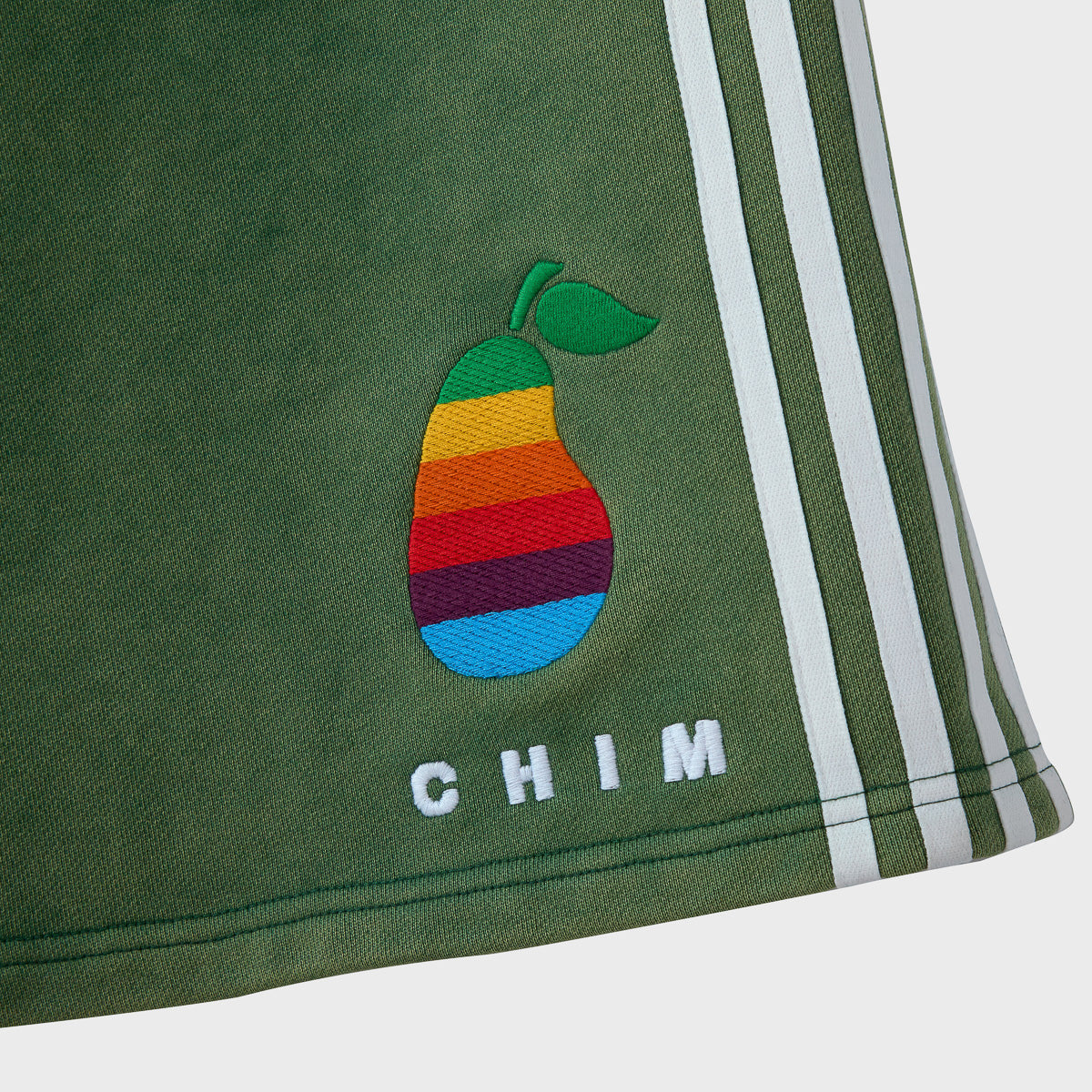
Don’t ever air-dry joggers or shorts with a printed design print-side down on a heating element. Direct, sustained heat above 122°F (50°C) is sufficient to soften plastisol-based prints to the point where they can transfer onto the material beneath it, destroying the print for good.
Daily Habits and Upkeep
Your storage approach for HMDD clothing between wears counts for nearly as much as your washing routine. Folding rather than hanging is generally better for dense fleece sweatpants and shorts, as leaving heavy fleece hung from a waistband clip risks producing permanent stretch marks right at the hang point in only a few weeks.
Store garments away from direct sunlight when putting them away — exposure to UV rays is a gradual yet genuine cause of colors fading, and darker shades in particular can noticeably fade after only a couple of months of remaining on a sunlit shelf or in a car.
Give your pairs a rotation. Wearing the same pair of shorts or sweatpants on consecutive days without a rest period doesn’t allow the fibers to recover their shape, and it accelerates wear at stress points like the knees and the inner thigh seam. By having two or three pairs in regular use rather than relying on just one constantly, it’s possible to nearly double the working life of every item.
Stains should be treated straight away, not left to set through a full wear cycle. If treated within an hour, a stain lifts out with nothing more than mild soap and cold water; neglected through 24 hours, though, the same stain typically requires a pretreatment step and hotter water, putting at risk the print.
Healthy Habits vs. Life-Diminishing Habits: A Speedy Comparison
| Care Step | Recommended Approach | Usual Mistake |
|---|---|---|
| Temperature of Water | Below 86°F (30°C), cold water | Washing hot, over 104°F (40°C) |
| Garment Direction | Flipped inside out | Right side out, print exposed |
| Detergent | A gentle, dye-free liquid detergent | Heavy-duty powder with brighteners |
| Method of Drying | Dry flat in open air | High-heat tumble dry to full dryness |
| Storage | Kept folded, away from sunlight | Using a clip hanger, hung by a window |
| Wearing Habit | Alternating among 2-3 pairs | Daily wear of one pair without resting it |
In 2026, What This Means for Those Who Own HMDD
The market for pre-owned streetwear has scaled up quickly, and pieces that keep their fit and shade simply fetch a resale price for more. A well-maintained pair of HMDD sweatpants can retain a noticeably higher resale percentage of original price than a neglected one, particularly when the graphic or embroidery is still well-defined. That fact provides a genuine financial incentive to treat those extra five minutes each wash seriously.
Since HMDD’s lineup has widened, it’s also worth noting that the spread of fabric weights and finishes has grown alongside it, which means inspecting the care label on your own piece is smarter than presuming identical performance across items. A heavyweight fleece short and a lighter mesh-lined short from the same lineup can have varying washing thresholds even if they look similar on the rack.
In the end, caring for HMDD’s clothing isn’t about babying it — it’s about aligning the wash and dry regimen to the fabric you really own. Washing cold, turning items inside out, using low or no dryer heat, and storing pieces sensibly cover the vast majority of what ensures sweatpants and shorts staying fresh. Maintain these practices, and “happy memories don’t die” rings true for the garment itself, too — not limited to just the sentiment tied to the name.